
XLPE Foam Insulation
XLPE Foam Insulation for HVAC & Building Applications
A closed-cell, cross-linked polyethylene foam insulation commonly considered where controlled build-up and moisture-related conditions matter. Here's what it is, where it fits, and what to check before selecting it.
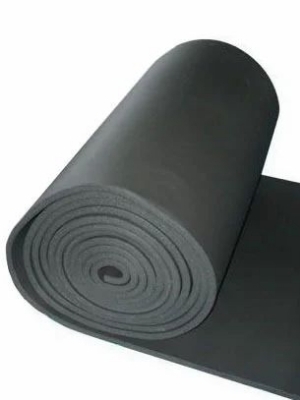
Product at a Glance
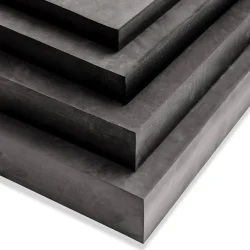
XLPE Foam Insulation is a closed-cell, cross-linked polyethylene foam supplied as flexible sheets and rolls. The cross-linking process gives the foam more mechanical strength and thermal stability than plain polyethylene foam. Its closed-cell structure can help limit moisture ingress, which is one reason XLPE foam is considered for HVAC and building applications where condensation control is part of the overall system design, alongside its general thermal-insulation role.
General construction principle for this insulation category. Wonder Cool's exact construction and facing are confirmed at enquiry.
Where XLPE Foam Is Commonly Used
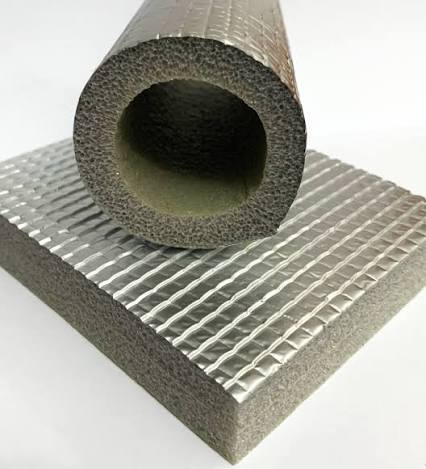
HVAC & Ductwork
Challenge
Thermal loss and condensation risk on duct surfaces.
Why it may be considered
A closed-cell insulation layer provides continuous thermal coverage when properly installed and sealed at joints.
Chilled-Water & Service Piping
Challenge
Cold surfaces below the surrounding dew point can attract surface condensation along the pipe run.
Why it may be considered
A closed-cell structure that can help limit moisture ingress is one reason it's considered where condensation control is part of the piping system design.
Refrigerant Lines
Challenge
Small-diameter lines need flexible insulation that maintains coverage around bends and fittings.
Why it may be considered
Flexible foam sheet or pre-formed sections can be fitted around pipework while keeping the insulation layer continuous.
Building / Roof Insulation
Challenge
Controlled insulation build-up is needed where roof or wall space is limited.
Why it may be considered
Thin, flexible sheet form suits applications where a compact insulation layer is preferred.
Why XLPE Foam Insulation Is Considered
- Closed-cell foam structure
- Gas pockets sealed off from one another resist conductive heat transfer through the material.
- Moisture-related considerations
- The closed-cell structure can help limit moisture ingress, relevant where condensation control is part of the system design.
- Controlled, flexible build-up
- Thin, flexible sheet and roll form suits ducts, pipes, and surfaces where space is limited.
- Flexibility around ducts and pipes
- Bends and wraps around fittings and building surfaces without a rigid board's handling constraints.
- Continuity when correctly installed
- Performs as a continuous insulation layer only when joints and seams are correctly sealed.
Product Configurations
XLPE Foam Insulation may be supplied and configured according to application and project requirements. Contact Wonder Cool for the current construction, dimensions and technical specification.
Request Product SpecificationIs XLPE Foam Right for Your Requirement?
Final insulation selection depends on the complete system and project requirement.
- 01Application type — HVAC duct, pipe, or building surface.
- 02Operating and ambient temperature range.
- 03Condensation and moisture conditions expected in service.
- 04Available insulation space and build-up.
- 05Required fire, acoustic, or project specification.
- 06Pipe or duct geometry, including bends, fittings, and supports.
- 07Continuity requirements at joints and fittings.
Installation Essentials
- Maintain insulation continuity across the full duct, pipe, or surface run.
- Correctly treat joints and seams to keep the closed-cell layer continuous.
- Avoid gaps in coverage, which allow localized heat transfer and condensation risk.
- Fit carefully around elbows, valves, supports, and penetrations where the run changes direction.
- Protect the insulation from physical damage during and after installation.
- Coordinate vapour/moisture control detailing with the wider system where required.
Final installation should follow the selected product/system instructions and project specification.
Looking at Other Insulation Types?
Air Bubble Insulation
A reflective insulation category, commonly considered for radiant heat control under metal roofing.
View productGlass Wool Insulation
A fibrous thermal and acoustic insulation, commonly used for roof and wall under-deck insulation.
View productRock Wool Insulation
A mineral-wool insulation known for higher service temperatures and fire performance.
View product
The suitable material depends on application and required performance.
Frequently Asked Questions
- What is XLPE Foam Insulation?
- It's a closed-cell, cross-linked polyethylene foam insulation, sold as flexible sheets, rolls, and pre-formed sections, and used as a thermal-insulation layer.
- Where is XLPE insulation commonly used?
- It's typically considered for HVAC ductwork, chilled-water and refrigerant piping, and building or roof insulation where a controlled, flexible build-up is useful.
- Why is closed-cell structure relevant for insulation?
- A closed-cell structure seals gas pockets off from one another, which resists conductive heat transfer and can help limit moisture and water-vapour ingress, in general terms.
- Can XLPE Foam be used for HVAC ducts or piping?
- Yes — HVAC ductwork and chilled-water or refrigerant piping are among its most common applications, generally installed as a continuous layer with sealed joints.
- What details should I share before selecting an XLPE configuration?
- Your application, duct or pipe size, approximate area or length, project location, and any known operating conditions or specification — that's enough for us to discuss the right configuration.
Next step
Discuss Your XLPE Foam Insulation Requirement
Share a few project details and we'll help you work out the right configuration:
- Application (duct, pipe, or building surface)
- Approximate area or pipe size/length
- Project location
- Operating or application conditions, if known
- Existing specification, if available