
Rock Wool Insulation
Rock Wool Insulation for Industrial, HVAC & Building Applications
A mineral-fibre insulation category commonly considered where thermal, acoustic and project-specific fire-performance requirements are important. Here's what it is, where it fits, and what to check before selecting it.
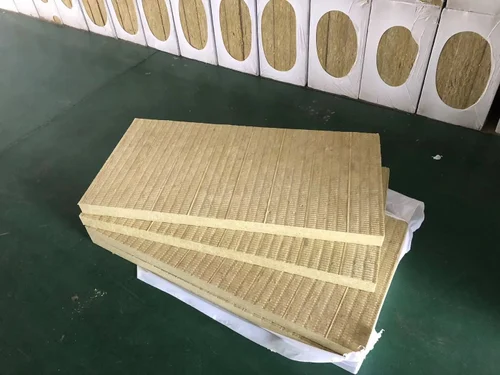
Product at a Glance
Rock Wool Insulation is a mineral-fibre insulation category, spun from molten rock and formed into dense slabs, boards, blankets, or pipe sections depending on the application. Trapped air within the dense fibrous structure is the general mechanism behind its thermal-insulation role, and the same structure is relevant to acoustic absorption. It's often evaluated alongside glass wool for assemblies where the project also has a fire-performance requirement to consider.
General construction principle for this insulation category. Wonder Cool's exact construction, density and facing are confirmed at enquiry.
Where Rock Wool Is Commonly Used
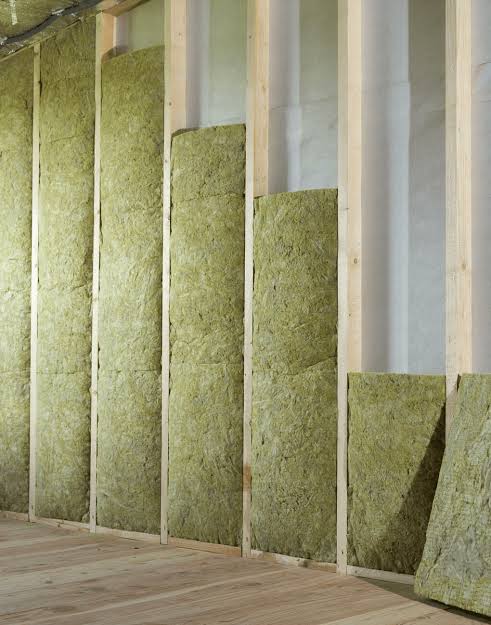
Industrial / PEB Buildings
Challenge
Thermal load, acoustic requirements and project specification together.
Why it may be considered
Mineral-wool insulation is commonly evaluated where multiple performance requirements need to be considered together.
HVAC Ductwork / Mechanical Services
Challenge
Thermal loss and duct- or plant-borne noise in mechanical service runs.
Why it may be considered
Dense mineral-fibre form is commonly considered where both thermal and acoustic performance are relevant to the installation.
Internal Partitions / Acoustic Applications
Challenge
Partitions and enclosures often need sound absorption alongside thermal separation.
Why it may be considered
Batt and blanket form fits between framing members, making it a common choice for partition and enclosure assemblies.
Higher-Temperature / Fire-Performance-Sensitive Assemblies
Challenge
Some assemblies carry a project-specific fire-performance requirement alongside thermal and acoustic needs.
Why it may be considered
Rock wool is commonly evaluated in these assemblies; the selected product grade and its test documentation must be checked against the requirement.
Why Rock Wool Insulation Is Considered
- Thermal-insulation role
- Trapped air within the dense fibrous structure is the general mechanism behind its thermal performance.
- Acoustic absorption
- The porous mineral-fibre structure is relevant to sound absorption, a common reason it's evaluated for acoustic applications.
- Dense mineral-fibre format
- Supplied as slabs, boards, blankets, or pipe sections with a denser structure than typical glass-fibre products.
- Suited to demanding assemblies
- Product grade and density can be matched to more demanding industrial or building assemblies, depending on the requirement.
- Fire-performance relevance
- Rock wool is commonly evaluated in assemblies where fire performance is part of the project specification. The selected product grade and test documentation must be checked.
Product Configurations
Rock Wool Insulation products can vary by application, density, form and required project performance. Contact Wonder Cool for the current construction, dimensions and technical specification.
Request Product SpecificationIs Rock Wool Right for Your Requirement?
Final insulation selection depends on the complete assembly and project specification.
- 01Application and assembly type — industrial, HVAC, or partition.
- 02Primary thermal objective for the assembly.
- 03Acoustic requirement, if sound absorption is part of the brief.
- 04Available insulation depth or build-up.
- 05Density or structural requirement, where the assembly needs it.
- 06Moisture exposure and protection needed in service.
- 07Fire-performance, code, or project specification requirement.
Installation Essentials
- Maintain insulation continuity across the full assembly area.
- Fit boards, slabs, or blankets without uncontrolled gaps between sections.
- Avoid excessive compression where the assembly depends on the installed thickness.
- Fit carefully around framing, supports, and penetrations.
- Protect the material from moisture and physical damage before and during installation.
- Coordinate facings, vapour-control, or protective layers where they're part of the system.
Final installation should follow the selected product/system instructions and project specification.
Looking at Other Insulation Types?
Air Bubble Insulation
A reflective insulation category, commonly considered for radiant heat control under metal roofing.
View productXLPE Foam Insulation
A closed-cell foam insulation, valued for moisture resistance in HVAC and pipework applications.
View productGlass Wool Insulation
A glass-fibre thermal and acoustic insulation, commonly used for roof and wall under-deck insulation.
View product
Material selection depends on the application and required performance.
Frequently Asked Questions
- What is Rock Wool Insulation?
- It's a mineral-fibre insulation category, spun from molten rock and formed into dense slabs, boards, blankets, or pipe sections for thermal and acoustic use.
- Where is Rock Wool commonly used?
- It's typically considered for industrial and PEB buildings, HVAC ductwork and mechanical services, internal partitions, and assemblies where fire performance is part of the specification.
- Is Rock Wool used for thermal and acoustic insulation?
- Yes — its dense mineral-fibre structure is relevant to both thermal performance and acoustic absorption. Final performance depends on the selected product, thickness, density, facing and assembly.
- Why is Rock Wool considered where fire performance matters?
- Mineral-fibre insulation is commonly evaluated in assemblies with a fire-performance requirement, but actual fire performance depends on the selected product grade, the assembly, and verified test documentation — not on the material category alone.
- What information should I share before selecting a Rock Wool configuration?
- Your application, approximate area, building/duct/partition type, project location, and your thermal, acoustic, or fire-performance requirement — that's enough for us to discuss the right configuration.
Next step
Discuss Your Rock Wool Insulation Requirement
Share a few project details and we'll help you work out the right configuration:
- Application (building, duct, or partition)
- Approximate area to be insulated
- Building, duct, or partition type
- Project location
- Thermal, acoustic, or fire-performance requirement, if known
- Existing project specification, if available