
Applications
Insulation Solutions by Application
Different buildings and systems create different insulation challenges. Start with the application, then evaluate the material and system requirements.
What Are You Insulating?
Four common application contexts, and the insulation categories typically evaluated for each.
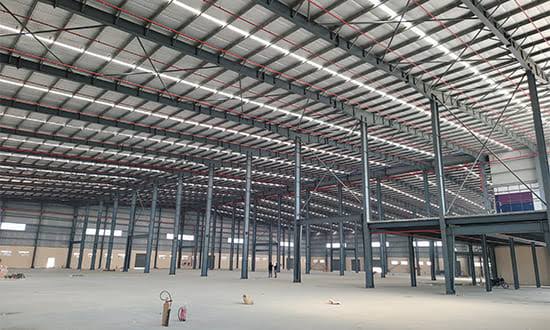
Industrial & PEB Roofing
Metal roof sheeting conducts and radiates heat quickly. Under-deck insulation is used to cut roof heat gain and manage condensation forming on the underside of the sheet.
Materials commonly considered
- Air Bubble
- XLPE Foam
- Glass Wool
- Rock Wool
Warehouses
Large uninsulated roof and wall areas let heat build up under the deck, affecting stored goods and working conditions — roof heat gain and general thermal comfort are the main considerations.
Materials commonly considered
- Air Bubble
- XLPE Foam
- Glass Wool
- Rock Wool
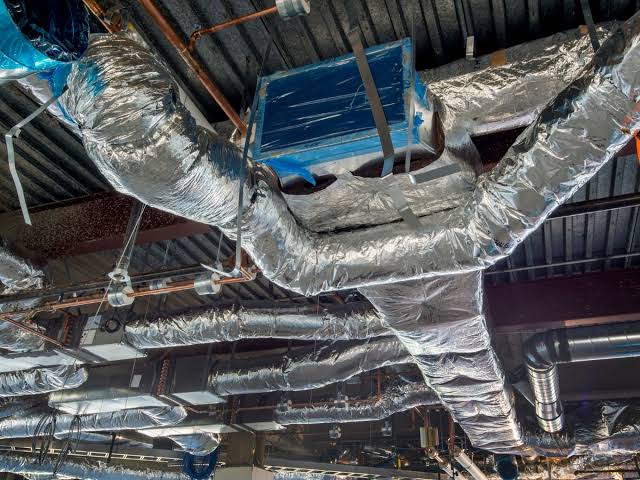
HVAC & Ductwork
Ducts and chilled pipework lose or gain heat through their walls, and any surface that drops below the surrounding air's dew point will sweat — thermal loss and condensation control both matter here.
Materials commonly considered
- XLPE Foam
- Glass Wool
- Rock Wool
- Air Bubble
Poultry & Livestock Structures
Poultry and cattle sheds are typically light metal-roofed structures with direct sun exposure — reducing radiant heat gain is central to keeping the structure liveable for the animals inside.
Materials commonly considered
- Air Bubble
- XLPE Foam
- Glass Wool
- Rock Wool
Industrial / PEB Roofing
Metal roof sheeting conducts and radiates heat quickly, driving up indoor temperature, and can develop condensation on the underside of the sheet depending on the assembly. Available roof build-up is often limited by purlin spacing and construction detailing.
Insulation categories commonly considered
- Air Bubble Insulation
- Commonly considered where radiant heat through the metal roof sheet is a significant part of the problem.
- XLPE Foam Insulation
- May be considered where a closed-cell insulation layer and a controlled, thin build-up are relevant to the roof assembly.
- Glass Wool Insulation
- Commonly evaluated for PEB roofing where thermal and acoustic performance are both part of the brief.
- Rock Wool Insulation
- May be evaluated where the roof assembly also carries a project-specific fire-performance requirement.
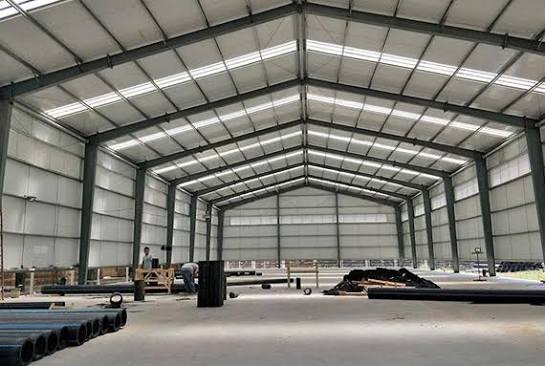
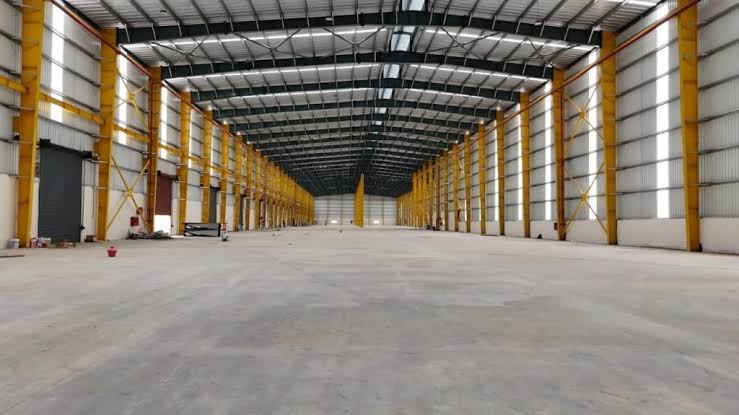
Warehouses
Large, often uninsulated roof and wall areas make heat gain and general thermal comfort harder to manage, and any acoustic or fire requirement has to be met across a correspondingly large area.
Insulation categories commonly considered
- Air Bubble Insulation
- May be considered across large roof spans, where a lightweight layer that adds minimal structural load is useful.
- XLPE Foam Insulation
- More often relevant to smaller duct or pipe runs within a warehouse than to the main roof area.
- Glass Wool Insulation
- Commonly evaluated for warehouse roof and wall insulation, covering large areas in a lightweight roll or blanket form.
- Rock Wool Insulation
- May be evaluated where the building also has an acoustic or fire-performance requirement to meet.
HVAC & Ductwork
Ducts and chilled-water or refrigerant pipework lose or gain heat through their walls, and any surface that drops below the surrounding air's dew point carries a condensation risk. Continuity at joints, fittings and penetrations matters as much as the insulation material itself, and duct-borne noise is sometimes part of the brief.
Insulation categories commonly considered
- XLPE Foam Insulation
- Commonly considered for ducts and chilled-water or refrigerant pipework, where a closed-cell layer is relevant to condensation control.
- Glass Wool Insulation
- Commonly evaluated for duct insulation where thermal and acoustic performance both matter.
- Rock Wool Insulation
- May be evaluated for mechanical services where a fire-performance requirement is part of the specification.
- Air Bubble Insulation
- May be considered for duct wrap, particularly on externally exposed ductwork, where reflective radiant control is also relevant.
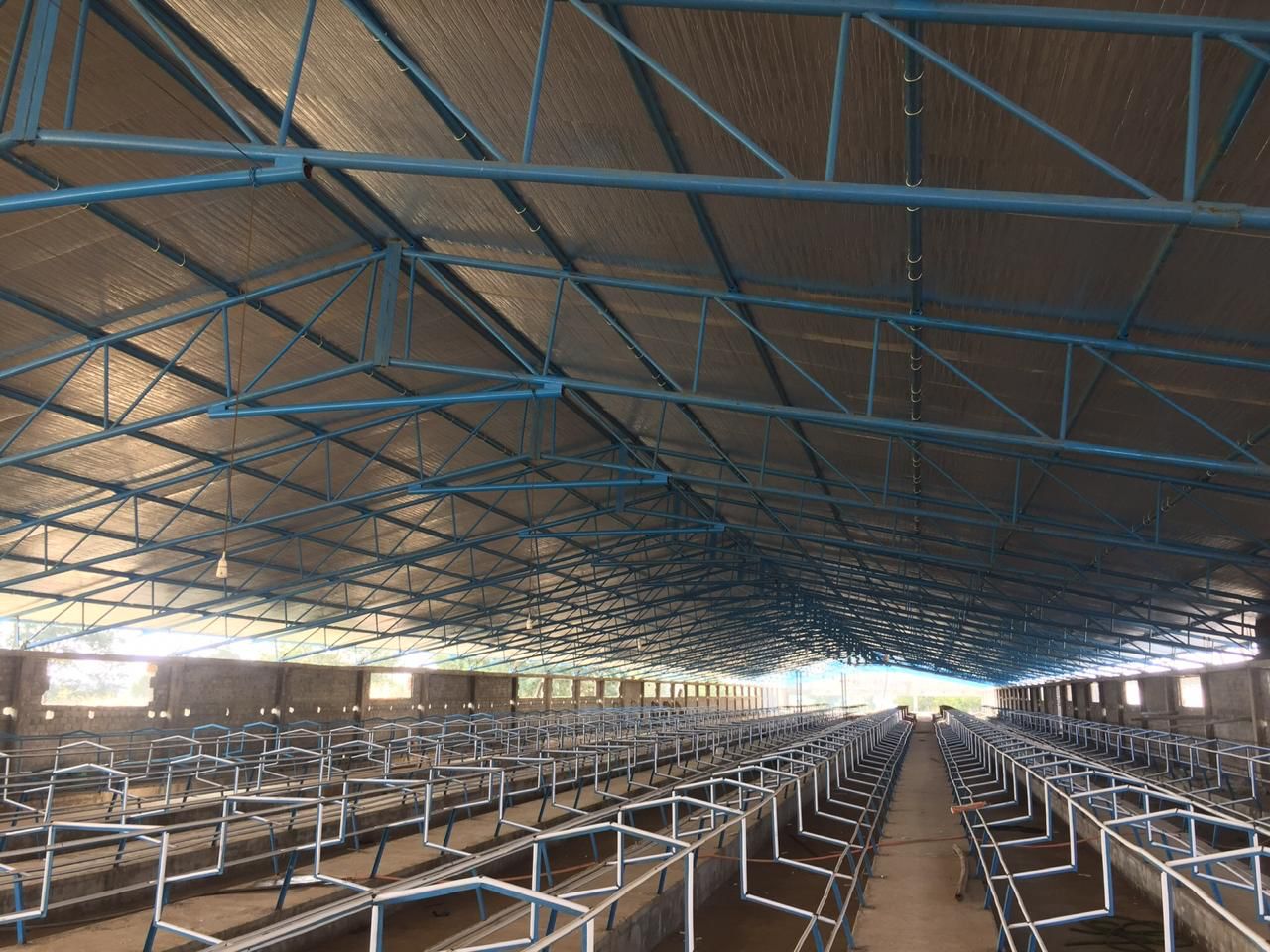
Poultry / Livestock Structures
Poultry and livestock structures are typically light, metal-roofed buildings with direct sun exposure, and indoor conditions interact closely with ventilation. Moisture and condensation risk depends on the building's overall ventilation and construction.
Insulation categories commonly considered
- Air Bubble Insulation
- Most commonly considered for these structures — a lightweight reflective layer suited to light-roof construction without heavy structural support.
- XLPE Foam Insulation
- Occasionally considered where a specific duct, pipe, or building detail calls for a closed-cell layer.
- Glass Wool Insulation
- Occasionally considered as part of a wider roof build-up, depending on the structure.
- Rock Wool Insulation
- Less commonly selected for this application, though it may be evaluated for a specific project requirement.
Application × Material Orientation
A general starting point, not a specification recommendation — final selection depends on project requirements.
| Application | Air Bubble | XLPE Foam | Glass Wool | Rock Wool |
|---|---|---|---|---|
| Industrial & PEB Roofing | Commonly considered | Commonly considered | Commonly considered | Project dependent |
| Warehouses | Project dependent | Project dependent | Commonly considered | Project dependent |
| HVAC & Ductwork | Commonly considered | Commonly considered | Commonly considered | Project dependent |
| Poultry & Livestock Structures | Commonly considered | Less commonly selected | Less commonly selected | Less commonly selected |
This is general category guidance only. Final material selection depends on the complete assembly, operating conditions and project specification.
What Affects the Final Selection?
In practice, choosing between these categories usually comes down to a handful of factors:
- Application
- Roofing, ductwork, pipework, or a structural void each favour different forms.
- Heat-transfer requirement
- Radiant, conductive, or convective heat is dominant in different situations.
- Temperature conditions
- Ambient extremes and any process/equipment temperature the insulation will see.
- Moisture & condensation
- Whether the surface risks sweating, and whether a vapour barrier is needed.
- Acoustic requirement
- Some applications also need sound absorption alongside thermal performance.
- Fire-performance requirement
- Project or code-driven combustibility and fire-rating expectations.
- Installation method
- Roll-out, wrap, board-fix, or spray — driven by the substrate and access.
- Available space
- Cavity depth or clearance can rule some material thicknesses out early.
Explore the Insulation Materials
Air Bubble Insulation
A reflective insulation — layers of air-bubble film sandwiched between foil-faced outer layers.
View productXLPE Foam Insulation
A closed-cell, cross-linked polyethylene foam — sold as sheet, roll, or pre-formed pipe sections.
View productGlass Wool Insulation
Fibers drawn from molten glass, bonded into blankets, rolls, batts, or boards.
View productRock Wool Insulation
Fibers spun from molten basalt and/or slag, bonded into blankets, mattresses, or rigid boards.
View product
Material selection depends on the application and required performance.
Next step
Tell Us What You Need to Insulate
Share a few project details and we'll help you work out the right material and configuration:
- Application (roofing, warehouse, HVAC, agricultural structure, etc.)
- Approximate area to be insulated
- Building or system type
- Project location
- Known specification, if available